
EV ownership
What EV ownership and home charging actually require
Learn how home charging works, what affects range, and which costs or incentives to check before you buy an EV.
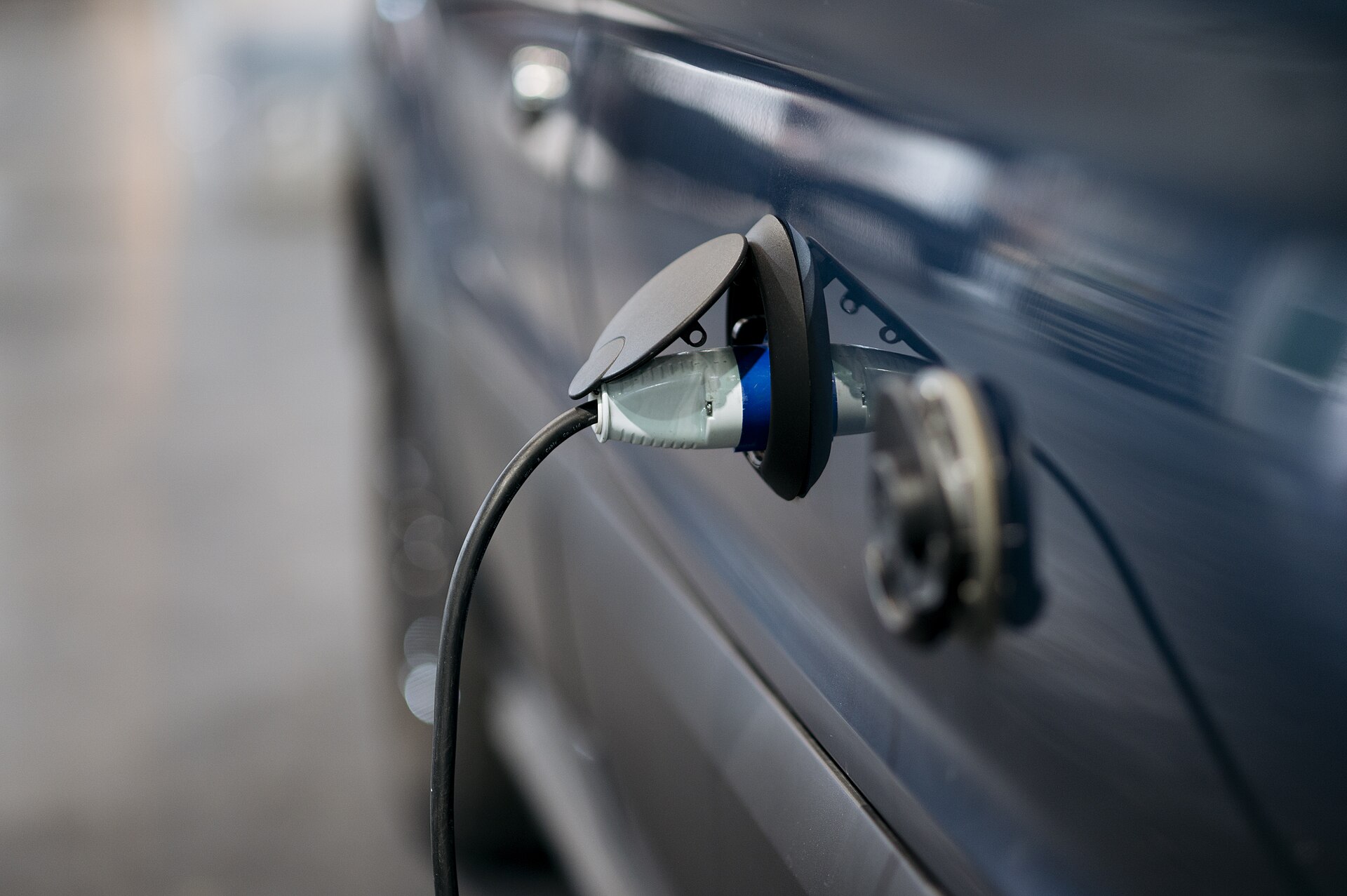
Photo by Shixart1985 · CC BY 2.0
Start with how you drive
Write down your normal daily miles and the longest trips you take often. Check whether charging is available at home, work, or along those routes. Leave extra range for hills, heavy loads, cabin heating, and air conditioning.
Also check the charging connector used by the vehicle. A station is useful only when it works with your car or an approved adapter.
Choose the right home charging setup
Level 1 charging uses a standard 120-volt outlet and adds range slowly. It can suit a plug-in hybrid or a driver with modest daily miles. Level 2 charging uses 240-volt service and can usually refill an electric car overnight.
Ask your utility and a licensed electrical contractor to check the panel, circuit, permits, equipment location, and installation cost. Choose certified equipment and place the cable where it will not become a trip or impact hazard.
Plan for public charging and longer trips
- Map compatible charging stops before a long trip.
- Check station status, pricing, access hours, and the charging network's payment method.
- Expect fast public charging to cost more than charging at home in many cases.
- Keep a backup stop in mind when a route has few chargers.
Compare the full cost
Compare purchase or lease price, home equipment, electrical work, electricity, insurance, maintenance, and expected public-charging use. Incentives can change and may depend on the vehicle, buyer, location, or tax situation.
Review the battery warranty and ask how the maker handles battery health and repairs. Use current government tools and qualified tax advice before counting on an incentive.
Primary references
Sources and methodology
MyFavi links to the original material so you can verify the details, reporting period, and later updates.