
Ownership costs
Gasoline outlook rises to $3.84 for 2026
EIA now forecasts regular gasoline will average $3.84 a gallon in 2026, six cents above its August outlook, while the latest weekly price rose to $4.157.
Source: Government forecast · U.S. Energy Information Administration · Sep 9, 2026
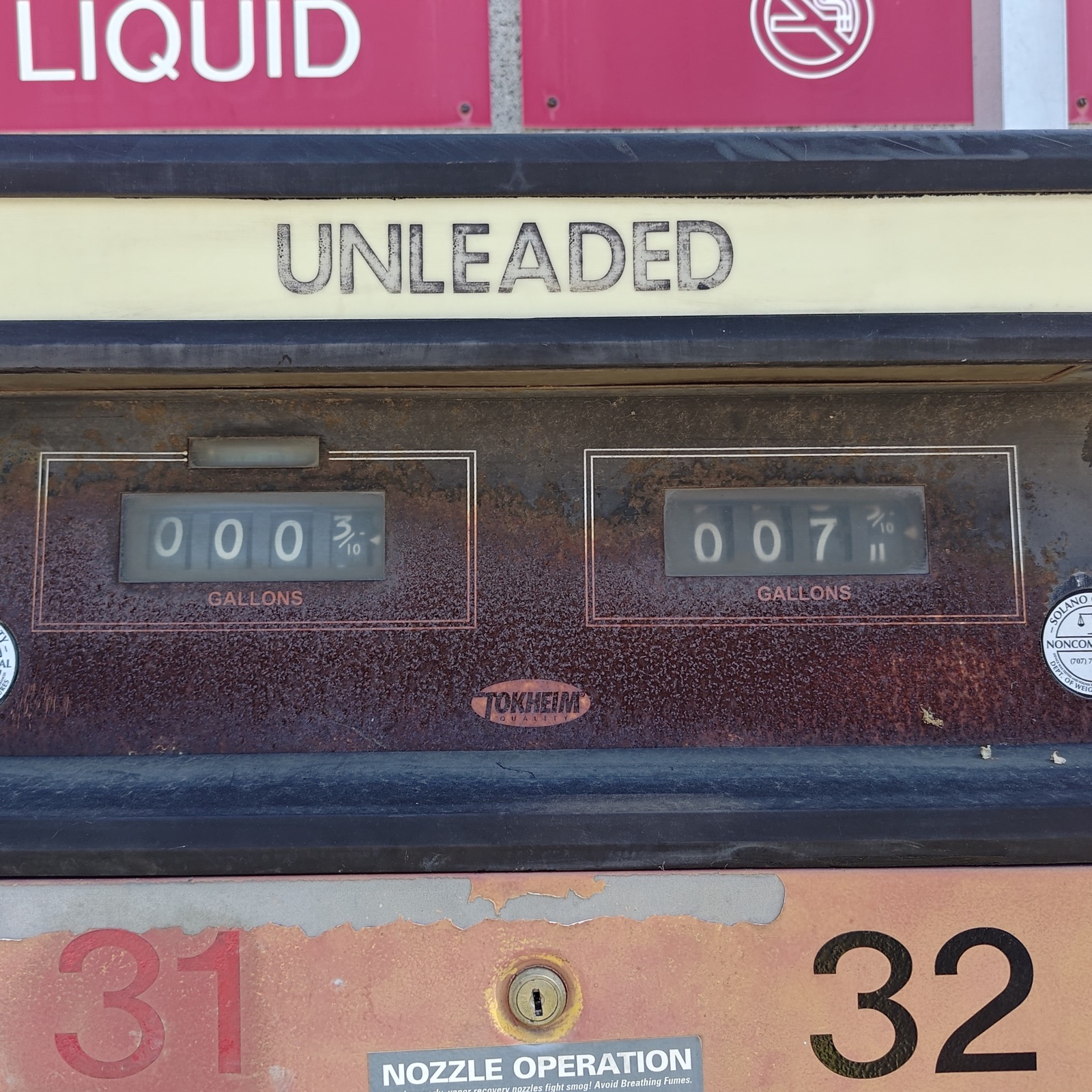
Photo by UnifiedFunctionality · CC BY-SA 3.0
What changed in the September forecast
The U.S. Energy Information Administration now forecasts that regular gasoline will average $3.84 per gallon nationwide in 2026. That is six cents higher than the $3.78 annual average in its August outlook.
EIA also raised its 2027 retail gasoline forecast to $3.35 per gallon from $3.29 in August. These are annual national forecasts, not a prediction for a particular week, region, or station.
The forecast assumes oil-market constraints persist
EIA's September outlook assumes some constraints on exporting oil from the Middle East will persist through the end of 2026 and that production and trade flows will recover gradually. The agency forecasts Brent crude will average about $90 per barrel in the second half of 2026.
The forecast was completed on September 3, so EIA says it does not specifically account for market events after that date. Crude oil, wholesale gasoline, and retail pump prices are different measures, and each can move after the forecast is finalized.
The latest weekly pump-price snapshot moved higher
EIA's September 9 weekly release estimates that U.S. regular gasoline averaged $4.157 per gallon on September 7. That was 8.6 cents above the prior week and 96.5 cents above the year-earlier level.
The national average hides large regional differences: EIA reported $3.685 on the Gulf Coast and $5.362 on the West Coast. A weekly observation and an annual forecast answer different questions and should not be treated as interchangeable.
How buyers and owners can use the revised forecast
Use the national outlook as one input when comparing vehicles, not as the fuel price in a final budget. A simple estimate is expected annual miles divided by the vehicle's miles per gallon, multiplied by a realistic local fuel price.
- Compare official fuel-economy estimates for the exact model and powertrain.
- Check current local gasoline prices and test more than one price scenario.
- Add insurance, maintenance, registration, financing, and depreciation before comparing total ownership costs.
Primary references
Sources and methodology
MyFavi links to the original material so you can verify the details, reporting period, and later updates.
- Publisher and data provider
- U.S. Energy Information Administration
- Source classification
- Government forecast
- Dataset or report
- Short-Term Energy Outlook
- Reporting period
- September 2026 outlook
Energy prices and forecasts can change quickly. This article summarizes a national EIA forecast and is not a guarantee of future fuel costs for any vehicle or location.