
Fraud prevention
Court halts credit-repair network accused of taking nearly $200 million
A federal court temporarily halted a credit-repair network after the FTC alleged false promises, creditor impersonation, illegal advance fees, and unauthorized recurring charges.
Source: Government enforcement · Federal Trade Commission · Aug 10, 2026
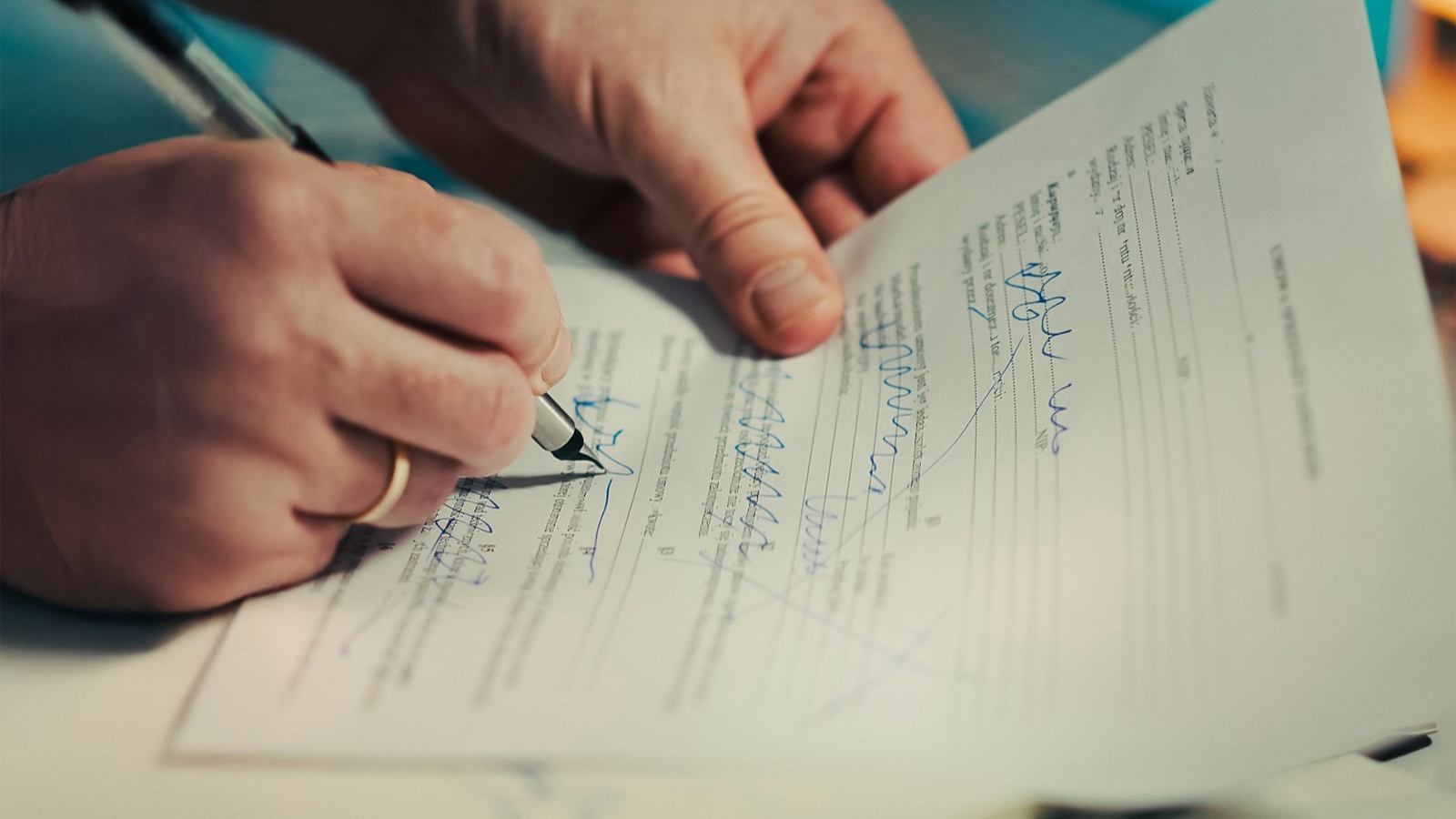
Photo by Jakub Żerdzicki · Unsplash License
What the court action does
On August 10, the Federal Trade Commission announced that a federal court had temporarily halted a network of 17 related credit-repair companies and five principals. The FTC alleges the operation collected nearly $200 million in unlawful advance and recurring charges from consumers since at least 2016.
The court order is temporary, and the FTC's complaint contains allegations rather than a final finding that the defendants violated the law. The case was filed in the U.S. District Court for the District of Arizona.
How the FTC says consumers were targeted
According to the complaint, the companies used paid search ads to reach people looking for creditors or debt collectors and, in some cases, targeted military servicemembers. The FTC alleges telemarketers impersonated creditors, promised substantial credit-score improvements, disputed legitimate debts, and sometimes filed false identity-theft reports without consumers' knowledge.
The FTC also alleges the operation used an initial one-dollar charge and other fees before providing services, then enrolled consumers in recurring charges without clear consent and frequently denied refund requests.
Why this matters before shopping for an auto loan
A credit report can affect vehicle-loan approval and pricing, which can make promises of a fast score increase especially tempting before a car purchase. The FTC says a credit-repair company cannot legally remove negative information that is accurate and current, and anything a company can lawfully do to investigate an error is something a consumer can do directly for little or no cost.
This enforcement action does not change auto-loan rates, erase any consumer's debt, or establish that a particular borrower will qualify for financing. It is a warning to verify credit information through official channels before paying someone who promises a specific result.
Steps shoppers can take
- Review credit reports before applying and dispute genuine errors with both the credit-reporting company and the business that supplied the information.
- Do not pay a company that demands money before helping, promises to remove accurate information, or tells you to file a false identity-theft report.
- Keep credit repair separate from vehicle shopping, and compare written auto-loan offers by APR, term, amount financed, and total of payments.
- Report suspected credit-repair scams to the FTC and use the CFPB complaint process for unresolved credit-reporting problems.
Primary references
Sources and methodology
MyFavi links to the original material so you can verify the details, reporting period, and later updates.
- Publisher and data provider
- Federal Trade Commission
- Source classification
- Government enforcement
- Dataset or report
- Credit Glory enforcement action
- Reporting period
- Alleged conduct since at least 2016; court action in August 2026
The FTC's complaint contains allegations, and the court has not made a final determination on the merits. This article provides general consumer information, not legal, credit-repair, or financial advice.