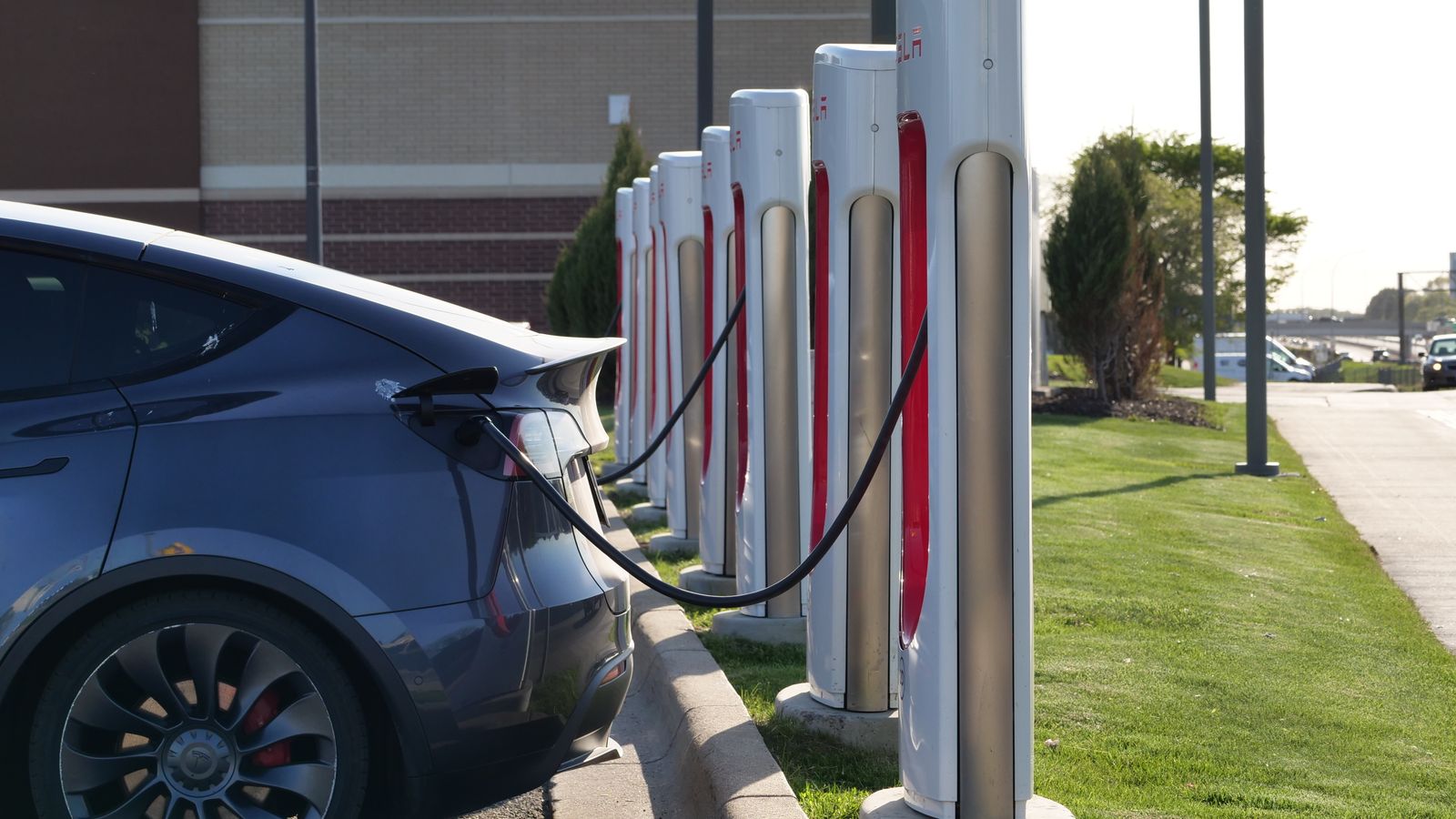
The IRS lists three credits that ended after September 30, 2025. They covered some new, used, and business clean cars. A car bought in 2026 cannot use those federal purchase credits.
How to price a 2026 purchase
Compare cars using the full drive-away price. Do not subtract an expired federal credit. Old ads may show a credit that once applied. Check the purchase date and the current rule before you trust a lower advertised price.
What may still be available
Some state, local, and power-company programs may still offer aid. This can include cash back, tax help, charger aid, or special rates. The Department of Energy has a search tool for these programs. Funds, car rules, home rules, and dates can vary.
Check the program on the agency's current website.
Find out if you need approval before you buy a car or install a charger.
Ask if the aid comes at the sale, as a later payment, or on a tax return.
Keep the price and incentive separate
Keep the car price apart from any rebate or tax aid. Name the program and link to its official page. Add the date you checked it so another person can review the same terms.
Primary references
Sources and methodology
MyFavi links to the original material so you can verify the details, reporting period, and later updates.
Arizona guidance says dealer-sold used cars have a 15-day or 500-mile defect window, while vehicle purchases generally lack a three-day cancellation right.
The FTC warns that scammers are cloning real dealership websites and demanding upfront payment for vehicles the legitimate dealer does not have or know about.
Experian reports that completed auto refinances lowered payments by $83 a month on average in Q2, while hybrids had the lowest average new-vehicle payment by powertrain.
Observed auto-loan data put average monthly payments at $785 for new vehicles and $544 for used vehicles, with amounts financed also higher than a year earlier.
An FTC and Connecticut deal would put $4 million toward buyer refunds. It would require one dealer to show its top total price and get consent for each fee.
A 68,084-owner study found passenger screens were rarely used and among the most problem-prone new-car technologies, while simpler background features scored better.
A federal court temporarily halted a credit-repair network after the FTC alleged false promises, creditor impersonation, illegal advance fees, and unauthorized recurring charges.
TransUnion finds auto-loan fraud losses climbed far faster than fraud rates from Q3 2018 to Q3 2025, as fraudsters increasingly target higher-value accounts and 'credit washing' erases an estimated $10 billion in charged-off debt.
Cox Automotive's mid-August Manheim index fell 1.2% from July while holding roughly flat versus a year earlier, as wholesale values eased after a strong spring.
EIA's September 1 release puts regular gasoline at $4.071 a gallon nationwide and diesel at $5.599, both slightly below the prior week but far above a year earlier.
EIA now forecasts regular gasoline will average $3.84 a gallon in 2026, six cents above its August outlook, while the latest weekly price rose to $4.157.
Federal data show used-car prices rose 0.4% in August after seasonal adjustment, matching July's increase, while prices remained 2.3% below a year earlier.