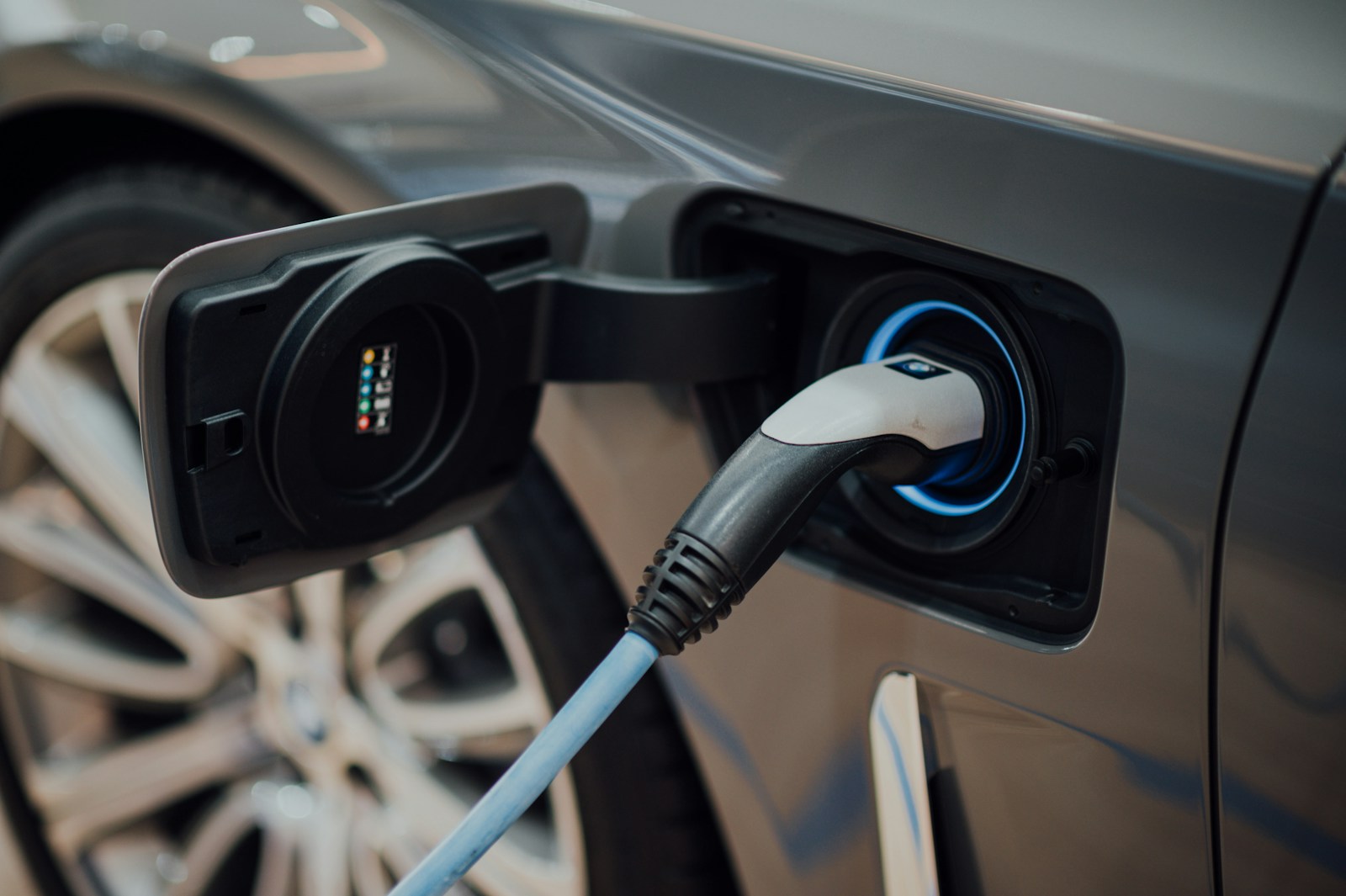
Cox Automotive's July 10 report, using Kelley Blue Book estimates, puts second-quarter U.S. new-EV sales at 247,226 vehicles. That was 14.7% above the revised first-quarter total but 20.5% below the second quarter of 2025.
Cox estimates EVs accounted for about 5.8% of total new-vehicle sales in Q2, essentially unchanged from Q1 and below the 10.6% share reached in Q3 2025. These figures describe estimated completed new-vehicle sales; they are not registrations, inventory counts, or forecasts.
A quarterly rebound does not settle the trend
Cox interprets the smaller year-over-year decline and the quarter-over-quarter gain as signs that the market may be stabilizing after a sharp correction. That is industry analysis, not a guarantee that sales, prices, or resale values will follow the same path in the next quarter.
The report also shows wide differences among manufacturers and models. A national total can provide context, but local inventory, incentives, charging access, vehicle condition, and demand matter more for an individual purchase or sale.
What EV shoppers should compare
Compare the out-the-door price rather than relying on an advertised payment or incentive.
Confirm current state, local, utility, and manufacturer offers directly; the IRS says the federal new- and used-clean-vehicle purchase credits ended after September 30, 2025.
Check real-world range needs, charging access and pricing, insurance, battery warranty, and expected depreciation.
For a used EV, request battery-health information and an independent inspection when practical.
What sellers should take from the report
The Q2 sales estimate does not set a used EV's value. Price from current local comparables for the same model year, trim, mileage, condition, battery health, and equipment. Document charging cables, service history, warranty coverage, and any transferable benefits that a buyer can verify.
Primary references
Sources and methodology
MyFavi links to the original material so you can verify the details, reporting period, and later updates.
Cox Automotive and Kelley Blue Book figures are attributed industry estimates and may be revised. This article provides general market context, not an appraisal, tax advice, or a prediction of future prices.
An FTC complaint says Greenway Auto Group charged more than $3,350 above the advertised price, on average, in over 92% of transactions; a proposed order would require prominent total prices.
A final federal rule lowers projected 2031 fleetwide fuel-economy requirements and estimates lower compliance costs but higher fuel use than the standards it replaces.
A proposed multistate settlement would erase an estimated $634 million in auto-loan debt, fund $60 million in restitution, and add protections for future Credit Acceptance borrowers.
FTC staff says a dealer's advertised price must be available to any buyer and include mandatory dealer fees, leaving out only government-required consumer charges.
Arizona guidance says dealer-sold used cars have a 15-day or 500-mile defect window, while vehicle purchases generally lack a three-day cancellation right.
The FTC warns that scammers are cloning real dealership websites and demanding upfront payment for vehicles the legitimate dealer does not have or know about.
Experian reports that completed auto refinances lowered payments by $83 a month on average in Q2, while hybrids had the lowest average new-vehicle payment by powertrain.
Observed auto-loan data put average monthly payments at $785 for new vehicles and $544 for used vehicles, with amounts financed also higher than a year earlier.
An FTC and Connecticut deal would put $4 million toward buyer refunds. It would require one dealer to show its top total price and get consent for each fee.
A 68,084-owner study found passenger screens were rarely used and among the most problem-prone new-car technologies, while simpler background features scored better.
A federal court temporarily halted a credit-repair network after the FTC alleged false promises, creditor impersonation, illegal advance fees, and unauthorized recurring charges.
TransUnion finds auto-loan fraud losses climbed far faster than fraud rates from Q3 2018 to Q3 2025, as fraudsters increasingly target higher-value accounts and 'credit washing' erases an estimated $10 billion in charged-off debt.
Cox Automotive's mid-August Manheim index fell 1.2% from July while holding roughly flat versus a year earlier, as wholesale values eased after a strong spring.
EIA's October 20 release puts regular gasoline at $4.284 a gallon nationwide and diesel at $6.276, with gasoline down but diesel up from the prior week.
The Fed raised its target range by a quarter point to 3.75%-4%. Auto-loan offers do not move one-for-one with that benchmark, so shoppers still need current quotes.